

iStockphoto
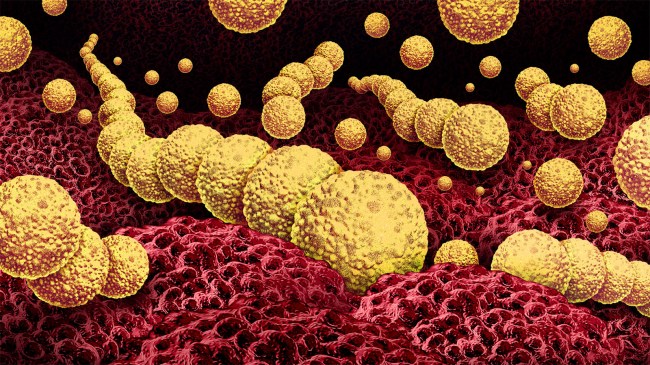
Cases involving Vibrio vulnificus, also known as flesh-eating bacteria, used to be mostly confined to the Gulf Coast states. That is no longer the case. From 1988 to 2018, cases along the East Coast went up by 800 percent and in 2025 the problem is continuing to grow.
In 2025, flesh-eating bacteria are still largely causing the most problems in Gulf Coast states. According to the Louisiana Health Department, 22 residents have been hospitalized this year after being infected with Vibrio vulnificus. Six of those people have died. In the state of Florida, the Department of Health reports that infection cases have risen to 23 and five people have died as a result.
Further north, the Massachusetts Department of Public Health reports 71 confirmed cases involving Vibrio vulnificus. Virginia Department of Health officials, according to CNN, say cases there have been “increasing over the last ten years.” North Carolina has seen an increase of 620 percent over the past 10 years. While the number of cases involving Vibrio vulnificus in New York have more than tripled.
In Louisiana, two of the six people that have died contracted Vibrio vulnificus by eating oysters at two separate restaurants in Louisiana and Florida. The Louisiana Department of Health has not stated whether the other four deaths involved exposure to the bacteria through open wounds or from eating raw seafood.
Flesh-eating bacteria facts
According to the U.S. Centers for Disease Control and Prevention (CDC), “Most people get infected with Vibrio by eating raw or undercooked shellfish, particularly oysters. Some people get infected when an open wound is exposed to salt water or brackish water containing Vibrio. People can also get infected if an open wound comes in contact with raw or undercooked seafood. Open wounds include those from a recent surgery, piercing, tattoo, and other cuts or scrapes — including those acquired during aquatic activity.”
Approximately one in five infected people die, sometimes within a day or two of becoming ill, according to the CDC. Around 80,000 cases of vibriosis happen each year in the United States, with approximately 52,000 being the result of eating contaminated food.
The CDC has several recommendations to avoid Vibrio infections.
• Stay out of salt water and brackish water if you have an open wound or cut. If you get a cut while you are in the water, leave the water immediately.
• If your open wounds and cuts could come in contact with salt water, brackish water, or raw or undercooked seafood, cover them completely with a waterproof bandage.
• Wash open wounds and cuts thoroughly with soap and clean, running water after they come in contact with salt water, brackish water, or drippings from raw or undercooked seafood.
• Cook raw oysters and other shellfish before eating.
• Always wash your hands with soap and water after handling raw shellfish.
• Seek medical attention right away for infected wounds.
Dr. Jim Oliver, a professor at the University of North Carolina at Charlotte, tells CNN that climate change is largely to blame for the increase in Vibrio vulnificus cases because melting glaciers are lowering ocean salinity. The increased temperatures also allow more of the bacteria to stay alive through the winter, making outbreaks worse in the summer due to the already increased levels of bacteria present in the waters.